

 See My Latest Article on HelloNation
Why Does Roofing Material Matter in Baton Rouge, LA?
Choosing the right roofing material impacts everything from energy bills to home resilience during storms. The city’s mix of high humidity, frequent rain, and long, hot summers creates unique challenges for area households. The right roof handles local weather, reduces maintenance, and complements your home’s style. In Baton Rouge, decisions about roofing aren’t just about looks—they’re about long-term comfort and protection.
What Factors Should Residents Consider?
In Baton Rouge, climate, housing styles, budget, and maintenance expectations shape the ideal roofing choice. Here’s what local residents most often ask about:
- Climate adaptability: The city’s subtropical climate is marked by intense sun, occasional hail, heavy rains, and hurricane risk.
- Lifespan: Durability against humidity, algae growth, and sudden storms is key.
- Energy efficiency: Reflectivity and insulation options impact cooling needs.
- Appearance: Many local homes lean toward brick and traditional styles, so material color and texture may matter.
- Upkeep: How much regular care does the roof require—especially with the city’s tree cover and moisture?
How Do Popular Roofing Materials Perform Locally?
Short answer: Different materials have distinct strengths and weaknesses for Baton Rouge homes. Area homeowners often compare asphalt shingles, metal roofing, and tile for good reasons.
Asphalt Shingles
Most common in the city due to affordability and ease of installation.
- Strengths: Cost-effective, available in various colors, faster repairs.
- Challenges: Moderate lifespan (15–25 years), susceptible to algae, may require more frequent replacement after major storms.
- Local context: Regular cleaning and algae-resistant options help, as high humidity can cause staining.
Metal Roofing
Increasingly chosen for resilience and cooling benefits.
- Strengths: Excellent durability (40+ years), sheds rain well, resists wind and fire, reflects sunlight to reduce attic heat.
- Challenges: Higher upfront cost, can dent during hail, noisy in heavy rain unless insulated.
- Local context: Popular in neighborhoods focused on long-term value. Proper noise-dampening and secure fastening systems are essential for hurricane season.
Clay and Concrete Tile
Known for longevity and classic looks, especially on architectural styles seen in some upscale city areas.
- Strengths: Lifespan often 50+ years, highly resistant to heat and moisture, minimal algae growth.
- Challenges: Weight may require roof framing upgrades, higher cost, tiles can break if walked on.
- Local context: Suited for homes with reinforced structures; less common in older, lighter-framed buildings.
Other Materials
- Wood shingles: Provide natural appearance but struggle with local humidity and require regular treatment to prevent rot and mold.
- Synthetic/composite options: Offer lightweight, durable alternatives that mimic tile or slate, sometimes used on custom or newer homes.
- Slate: Very long-lasting but impractically heavy and expensive for most area homes.
How Does Baton Rouge’s Climate Impact Roofing Choice?
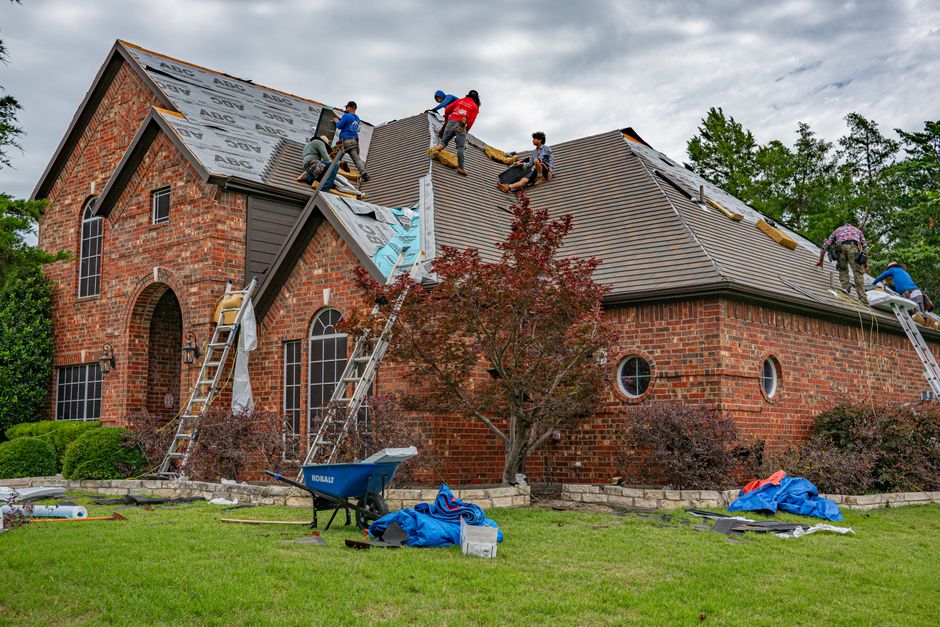
Residents often underestimate the effect of the city’s humidity, heavy rain, and heat. In this environment:
- Algae and moss are common on north-facing roofs, shortening shingle life if not managed.
- UV exposure is intense—roofing that reflects sunlight or resists thermal breakdown generally lasts longer.
- Hurricanes and severe thunderstorms raise the bar for wind and impact resistance; securely fastened materials like metal roofs often stand out after storm seasons.
- Trapped attic heat adds to cooling costs; certain manufacturers offer cool-roof technologies or lighter-colored options well-suited to local homes.
Which Material Fits Your Budget and Lifestyle?
Short answer: Asphalt often best fits modest budgets but may cost more in the long term. Metal, tile, and composite roofs are pricier up front but can reduce long-term spending on energy and repairs. The right roof depends on how long you plan to stay in your home and how much maintenance you want to do.
- Homeowners planning to move within a decade often stick to asphalt.
- Choosing a roof for a long-term home? It pays to consider total cost over 20–40 years.
- Busy families or older residents may prefer low-upkeep options like metal or premium composites.
What Local Regulations or HOA Guidelines Should Be Considered?
Some neighborhoods in Baton Rouge have homeowner association (HOA) rules that specify acceptable colors or materials for residential roofs, especially in planned developments. Historic districts may face additional requirements, such as maintaining certain looks or materials.
Before planning a major roof change, check with the appropriate local agency or HOA to confirm any restrictions. Ignoring these can mean costly changes or fines later. Many permits for re-roofing are granted through the parish or city’s building department.
Are There Overlooked Factors in Baton Rouge Roof Selection?
Yes. Many residents forget about attic ventilation and gutter systems. Both are critical for performance:
- Ventilation: Without adequate attic airflow, heat and humidity will shorten roof life and raise cooling costs.
- Gutters: High rainfall means gutters need to be properly sized and frequently cleared to prevent backups and damage to roofing edges.
Another common misconception is that price equals durability. Sometimes, a more expensive product still needs as much maintenance as a cheaper option in this climate.
How Do You Decide Which Roof Is Right for Your Home?
Start by listing your needs—durability, cost, look, insulation, and maintenance. Balance these against your local environment and longer-term plans. Compare real-world feedback from local homeowners; materials that work elsewhere might struggle with Baton Rouge’s weather.
When in doubt about attic structure, installation method, or code compliance, consulting with an engineer or city inspector is wise for safety reasons.