

 See My Latest Article on HelloNation
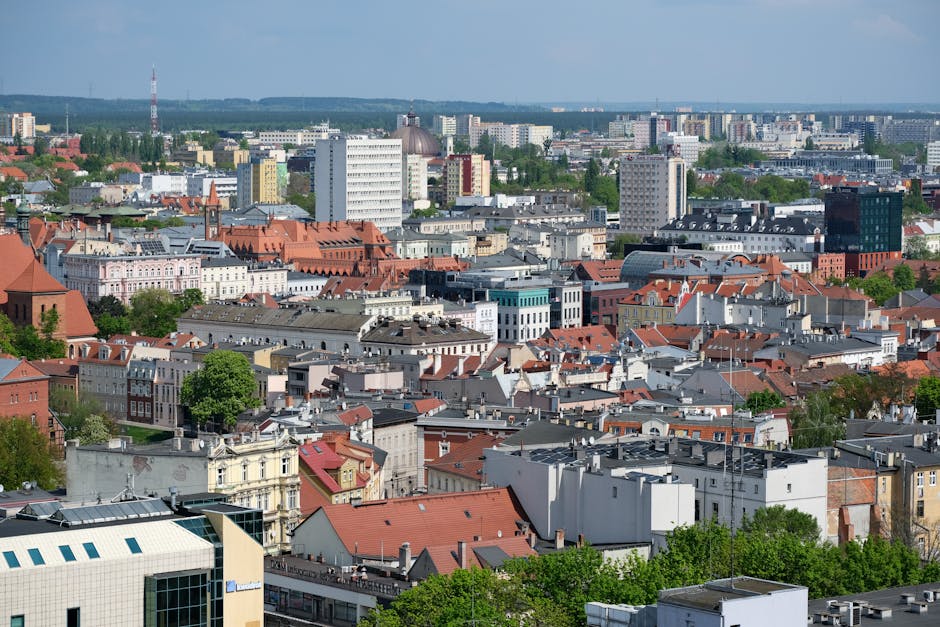
When it comes to protecting your property in Baton Rouge, the roof is your first line of defense against the unpredictable Louisiana weather. Whether you’re a homeowner in Mid City or manage a business near Downtown, understanding the key differences between residential and commercial roofing can help you make informed decisions about installation, maintenance, and overall investment. Below, we shed light on these differences, placing them into perspective for the unique climate and lifestyle found right here in Baton Rouge, LA.
What Defines Residential Roofing?
Residential roofing is designed for homes and smaller-scale dwellings. In Baton Rouge, where neighborhoods blend Southern charm with practical living, the typical residential roof showcases features that prioritize visual appeal and everyday durability.
- Most commonly uses materials like asphalt shingles, tiles, wood shakes, or metal panels.
- Roofs are pitched (sloped) for efficient water runoff, an essential feature during Baton Rouge’s heavy summer storms.
- Aesthetic variety allows for customized choices to suit the area’s historic homes and newer suburban builds alike.
What Makes Commercial Roofing Different?
Commercial roofing, by contrast, is tailored to the needs of businesses, multi-family units, warehouses, and other large buildings you’ll find throughout Baton Rouge, from the ever-growing industrial corridor to the retail hubs on Bluebonnet Blvd.
- Typically uses materials like TPO (thermoplastic polyolefin), EPDM (ethylene propylene diene terpolymer), PVC, or modified bitumen, designed for expansive, flat, or low-slope surfaces.
- Focuses on durability and energy efficiency, as commercial buildings often house sensitive inventory or specialized operations.
- Requires more robust drainage systems and insulation to handle the larger surface area and Baton Rouge’s subtropical humidity.
Installation Methods and Timeframes
One of the most significant differences lies in the installation process:
- Residential Roofing: Often quicker to install due to the smaller size and simpler design. A well-coordinated crew can typically complete a traditional residential roof in just a few days.
- Commercial Roofing: Takes longer because of the greater surface area, unique structural needs, and complex layering required. Roofers must coordinate installation for minimal disruption to businesses and their customers.
For Baton Rouge property owners, this means commercial projects often require more advanced notice and planning—especially during the rainy months, when timing is everything.
Maintenance Requirements in Baton Rouge’s Climate
Louisiana's climate presents distinct challenges for both residential and commercial roofs. High humidity, thunderstorms, and occasional hail all play a role.
- Residential Roofs: Need regular inspection for shingle damage, algae growth, and leaks around chimneys or vents. Given our city’s frequent storms, quick repairs are crucial to prevent water intrusion.
- Commercial Roofs: Flat or low-slope surfaces are more prone to water pooling—a big concern in a place like Baton Rouge where flash floods aren’t uncommon. Maintenance includes clearing debris, checking seals and flashing, and ensuring proper drainage.
Preventive care is especially important throughout South Louisiana, where a neglected roof can lead to expensive damage fast.
Energy Efficiency and Insulation
Energy efficiency is a hot topic in Baton Rouge, with our warm summers and rising electricity costs.
- Residential Roofs: Materials like metal or reflective shingles can help deflect heat and lower cooling bills, which is particularly welcome in neighborhoods where summer highs regularly exceed 90°F.
- Commercial Roofs: By necessity, commercial roofing systems often include upgraded insulation or “cool roof” membranes that reflect sunlight, keeping warehouses and offices more comfortable while reducing reliance on air conditioning.
Cost and Longevity – What Locals Should Know
Budget and lifespan expectations differ, too:
- Residential roofing is typically less expensive to install but may need replacement every 15-30 years, depending on materials.
- Commercial roofing is a bigger upfront investment but can last 20-40 years—or more—when properly maintained.
In Baton Rouge, it’s wise to factor in not just initial installation costs, but the potential for storm-related repairs or insurance savings from impact-resistant materials.
Local Codes and Regulations in Baton Rouge
Both residential and commercial roofing in Baton Rouge must meet regional building codes designed to withstand high winds and heavy rains. However, commercial projects might face additional municipal requirements, like fire ratings or accessibility standards for rooftop equipment.
It's always recommended for property owners in East Baton Rouge Parish to work with contractors familiar with our specific codes, especially during storm season when inspections are on the rise.
Day-to-Day Impact: How Roofing Choices Affect Baton Rouge Lifestyle
The roof you choose can influence everything from curb appeal to comfort and even your property’s market value.
- For residential homeowners in neighborhoods like Garden District or Shenandoah, the visual harmony of a well-chosen roof complements the local aesthetic while enhancing resale value.
- For business owners, a sturdy, leak-proof commercial roof means uninterrupted operations and a welcoming environment for employees and customers, even during hurricane threats.
Conclusion
While roofs may look similar from afar, the differences between residential and commercial roofing are substantial—especially here in Baton Rouge, where weather and community values shape how we maintain our homes and businesses. Whether you’re sheltering your family or safeguarding your company’s assets, understanding these differences will help you ask the right questions and make the best choices for your property.