

 See My Latest Article on HelloNation
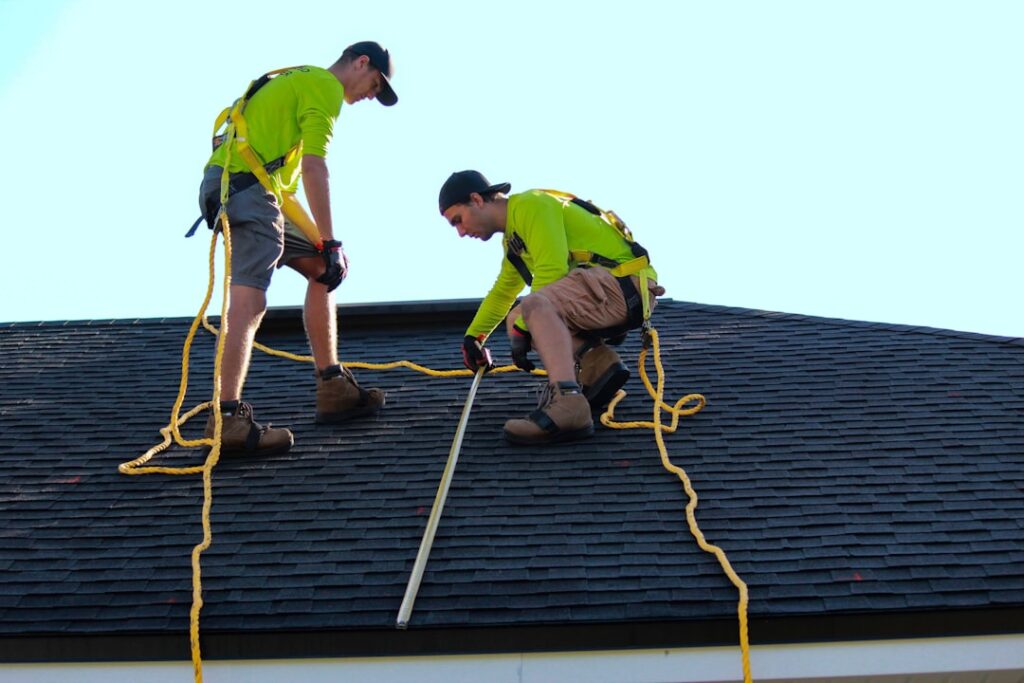
Why Might a Roof Inspection Be Necessary?
A roof inspection is needed to assess the condition of your roof and help prevent minor issues from becoming expensive repairs. In a city like Baton Rouge, LA, where roofs endure heavy rain, heat, thunderstorms, and even hurricane threats, regular checks help protect local residences and businesses from avoidable water damage and structural problems.
What Common Signs Suggest You Should Schedule a Roof Inspection?
Visual changes—inside or outside your building—often signal the need for a closer look. These warning signs can range from the obvious to the subtle.
- Stains or discoloration on ceilings or walls, especially after a rainstorm
- Missing, curling, or lifting shingles
- Roof debris such as granules appearing in gutters or at downspouts
- Unusual patterns of moss or algae growth
- Sagging areas or visible dips along rooflines
- Damaged or rusted flashing and roof vents
These signs may not always mean immediate failure, but they indicate it’s wise to investigate further.
Are There Baton Rouge-Specific Factors That Increase the Risk for Roof Problems?
Yes. The climate and storm patterns place unique stress on homes and buildings in the area. Prolonged humidity and severe storms can create vulnerabilities:
- Heavy downpours raise the risk of leaks and water ponding on flat or low-slope roofs
- Intense sun and high temperatures accelerate roofing material wear, especially on dark asphalt shingles
- Hurricanes, tornadoes, or seasonal thunderstorms can lift edges or dislodge materials
Because of these risks, many roofs in the community benefit from being checked after major weather events or once every couple of years.
Is a Roof’s Age an Automatic Reason for Inspection?
Aging roofs are more susceptible to leaks and material fatigue, so age alone can be a valid reason to look more closely. Most residential roofs in the Baton Rouge area use asphalt shingles, which typically last 15–25 years. Other roofing types, like metal or tile, often last longer but still require checks for weather damage, corrosion, or shifting components.
If your roof is approaching (or has passed) its typical lifespan, it is sensible to schedule an inspection—even if no leaks or visible issues are present.
Are Flat Roofs on Commercial Buildings More Prone to Hidden Problems?
Flat and low-slope roofs, which are common on commercial properties in the city, present unique challenges. These roofs don’t shed water as quickly as steeper designs, leading to pooling water, punctures, and membrane cracks that may not be visible from ground level.
Indications that a flat roof might need inspection include:
- Persistent puddles after rain
- Developing soft spots or bubbling surfaces
- Clogged rooftop drainage systems
Inspections can help identify damage early, reducing the risk of interior water intrusion and mold.
When Is It Necessary to Get a Roof Checked After Severe Weather?
After severe thunderstorms, hail, or wind events, it’s natural to worry about the roof’s condition. Visible signs like missing shingles, metal pieces on the ground, or dented vents mean immediate attention could be needed.
However, sometimes storm damage isn’t obvious from below. For example:
- Hail can bruise shingles or crack tiles, causing leaks that show up weeks or months later
- Straight-line winds may shift flashing or damage hidden seams

If a major storm has passed through your area, especially if neighbors are finding damage, having the roof assessed can help catch issues before water makes its way inside.
What Interior Clues Might Indicate a Roofing Problem?
Not all roofing issues start or show up outside. Subtle changes indoors can point to roof trouble before visible leaks.
- Peeling paint or bubbling wallpaper on upper walls or ceilings
- Musty smells or sudden increases in indoor humidity
- Appearance of mold spots or mildew patches in attic spaces
Checking the attic or crawlspace after heavy rain can reveal damp insulation, stained wood, or active drips, all of which suggest water is getting in.
How Can Routine Homeowner Checks Help Between Professional Assessments?
Residents can spot early signs of trouble by regularly examining their property. Simple tasks, performed safely, can help:
- Look up at the roof from ground level for uneven surfaces, debris, or damaged shingles
- Use binoculars to inspect rooflines, valleys, and ridge caps for changes
- Check gutters for granule buildup, which suggests shingle aging
- Observe attic spaces after storms for signs of dampness
Routine visual checks, especially after major weather or as the seasons change, help catch developing issues that might otherwise go unnoticed.
What Are Commonly Overlooked Signs That Shouldn’t Be Ignored?
It’s easy to dismiss minor dripping sounds or small stains as insignificant, but these can indicate widening gaps or flashing failures. Another often-overlooked indicator is unusual energy bills—poor roof insulation due to gaps or moisture intrusion can significantly impact a building’s ability to stay cool during long, hot Louisiana summers.
Taking note of even slight, unexplained changes around the roof or top floor can help area households address roof performance before it becomes a major and costly repair.