

 See My Latest Article on HelloNation
How Does the Local Climate Affect Roofs?
Baton Rouge, LA has a humid subtropical climate, which means roofs experience high heat, frequent rainfall, and the threat of severe storms each year. These conditions combine to gradually impact roof materials, leading to wear that may not be obvious right away. Specifically, persistent moisture, intense sun, and occasional hail are all stressors that shorten roof lifespans when compared to milder regions.
Over time, homeowners and business property managers may notice issues like shingle curling, granule loss, or discoloration, all related to the city's distinctive weather cycles.
What’s the Role of Sun and Heat in Roof Aging?
Extended sun exposure and high temperatures are a year-round concern in this region. In clear terms: UV rays break down roofing materials, causing them to become brittle or fade over time.
- Asphalt shingles: These often lose their protective granules under harsh sun, reducing their effectiveness.
- Flat roofs: Membrane materials can become cracked or less flexible with repeated temperature swings.
- Metal roofing: While durable, metal can expand and contract, eventually loosening fasteners or causing seams to separate.
Prolonged heat can also lead to increased attic temperatures. Without proper ventilation, this can contribute to premature deterioration of some roof types.
How Does Rainfall and Humidity Impact Roofs?
Frequent rain and high humidity create constant moisture challenges for roofs in the city. The most direct result is the increased risk of water intrusion or leaks when flashing, seals, or underlayment start to break down.
Moss, algae, and mildew are more common in damp, shaded areas of roofs, especially on north-facing slopes. These growths retain moisture, which can deteriorate shingles and lead to rot in wooden structures beneath.
Regular downpours, especially those associated with summer thunderstorms, can lift or dislodge shingles if wind speeds are high, leaving spots exposed to water damage.
What Effects Do Storms and High Winds Have on Roofs?
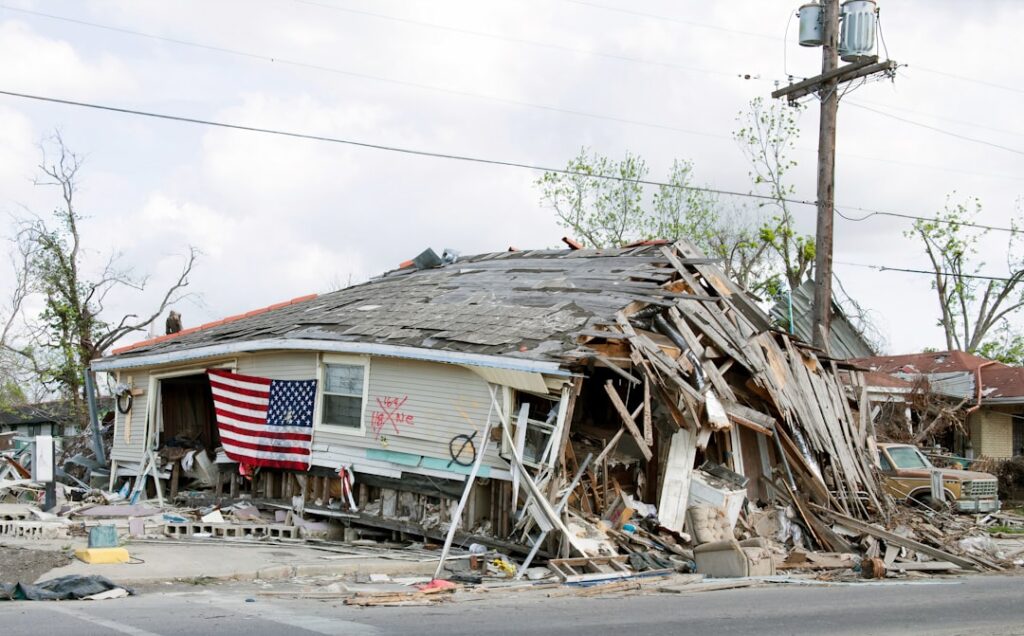
Severe weather is a familiar threat for local property owners. Windstorms can lift shingles or tiles, break off roofing components, and send debris crashing onto roof surfaces.
For example:
- High winds: May exploit even minor pre-existing flaws, exposing the roof deck.
- Hail: Leaves dents or cracks in shingles, metal panels, or skylights.
- Tropical storms and hurricanes: Put the entire roof assembly to the test, especially if it hasn’t been recently inspected.
After any major storm, it’s common to see scattered shingles or fragments on the ground—an immediate sign that the roof needs attention.
Are There Seasonal Maintenance Needs Unique to the Area?
The region's weather patterns, particularly the combination of spring rain and late-summer hurricane threats, make scheduled inspections and small repairs sensible.
For example, gutters frequently become clogged with leaves from nearby oak and pecan trees, causing water to back up and potentially get under the roof edge.
Smart seasonal habits include:
- Checking for and removing debris after storms, especially in valleys and around flashing.
- Inspecting for damage after hail or strong winds.
- Having a look at attic ceilings for signs of leaks or moisture points.
Neglecting small maintenance tasks can allow minor issues to become costly repairs.

How Do Temperature Swings Affect Roof Materials?
The transition from hot days to cool nights causes roofing materials to expand and contract. Over months and years, this repeated movement is known as thermal cycling.
Thermal cycling can:
- Crack shingles or cause them to curl at the edges
- Stress sealants and caulking around roof penetrations
- Loosen nails or fasteners in metal and shingle systems
Buildings with inadequate attic insulation or ventilation tend to experience more rapid wear from these temperature changes.
Are Some Roof Types Better Suited to Local Weather?
Because of the city's unique mix of heat, humidity, and storm threats, there is no universal “best” material. However, each roofing type reacts differently:
- Metal roofs resist wind and shed water well, but may develop leaks at seams.
- Asphalt shingles are common and cost-effective but show faster aging under UV and moisture.
- Tile and slate handle sun and rain well, but may crack in hail or heavy impacts.
- Flat roofs with membrane coverings need constant vigilance against standing water and may show seams or blistering if not installed and maintained correctly.
Those considering replacement or decisions about maintenance routines should pay attention to the specific vulnerabilities of each material in the local climate.
What Are Some Local Misconceptions About Roof Wear?
It’s common for city residents to believe that only violent storms cause major roof damage. In reality, most issues develop gradually through sun, moisture, or repeated minor wind and rain events.
Another local myth is that a lack of leaks equals a healthy roof. In fact, small gaps, lifted shingles, or very slight depressions in flat roofs can allow moisture intrusion that isn’t immediately visible inside. Regular spot-checks from the ground or a safe perch can help catch problems early, long before they turn into urgent repairs.