

 See My Latest Article on HelloNation
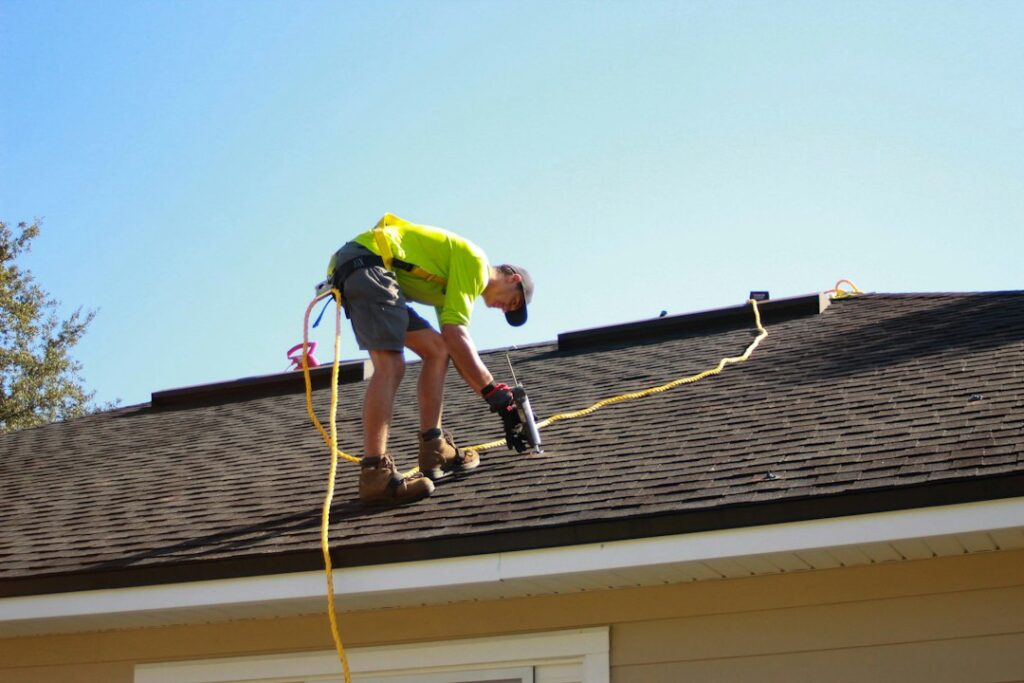
How can you tell whether a roof needs repair or replacement?
A roof usually needs repair when the damage is limited, localized, and connected to an otherwise sound roofing system. Replacement becomes more practical when the roof is near the end of its expected service life, has widespread deterioration, or has developed problems that repairs can only temporarily mask.
The decision should not be based on a single missing shingle or one visible ceiling stain. A useful evaluation considers:
- The age of the roof
- The size and location of the damage
- Whether leaks are isolated or recurring
- The condition of the underlayment, flashing, decking, and ventilation
- The roof’s history of previous repairs
- The type of roofing material
- Whether the roof has experienced wind, hail, fallen limbs, or prolonged moisture exposure
For residents in Baton Rouge, heavy rain, high humidity, intense sunlight, algae growth, and tropical weather systems can all affect how quickly roofing materials age.
When is a roof repair usually enough?
Repair is often appropriate when the problem is confined to a small area and the surrounding roof remains flexible, securely attached, and free of widespread deterioration.
Common repair situations include:
- A few missing, cracked, or lifted shingles
- A small puncture caused by a branch or other impact
- Damaged flashing around a vent, chimney, wall, or roof edge
- A limited leak traced to one penetration or seam
- Loose metal panels or fasteners on a metal roof
- Minor damage to a small section of commercial membrane roofing
- Localized gutter or drainage problems that are allowing water to back up
A properly performed repair should address the source of the problem, not only the visible symptom. For example, replacing a stained ceiling panel without correcting the roof opening leaves the underlying issue unresolved.
Matching materials can be difficult on older roofs. New shingles may differ in color from weathered shingles, and discontinued products may not be available. A visible patch is not necessarily a failure, but significant color or texture differences may affect appearance.
What signs suggest that replacement is the better option?
Replacement is more likely to make sense when the roof has widespread damage or has reached the later portion of its service life. A roof can sometimes be repaired several times, but repeated repairs may become less reliable when the surrounding materials are also deteriorating.
Warning signs include:
- Frequent leaks in different areas
- Shingles that are brittle, curled, cracked, or missing large areas of protective granules
- Broad areas of staining, sagging, or surface distortion
- Rot or deterioration in the roof decking
- Flashing that has failed in several locations
- Persistent moisture, mold, or musty odors in the attic
- A history of storm damage followed by repeated patching
- Repairs that cover a substantial portion of the roof
- A roof that is beyond the typical service range for its material and maintenance history
A sagging roof requires prompt attention because it may indicate weakened decking, framing problems, or prolonged moisture intrusion. Walking on a visibly sagging roof can create additional risk.
Does roof age determine whether to repair or replace?
Age is an important factor, but it is not an automatic replacement rule. Two roofs of the same age may be in very different condition because of installation quality, ventilation, drainage, storm exposure, maintenance, and material type.
Asphalt shingle roofs often require closer evaluation as they approach the later part of their expected life. Metal, tile, and other systems may last longer, but their flashing, fasteners, coatings, seams, and supporting components can still fail before the primary material does.
A relatively new roof with one storm-created puncture may need only a repair. An older roof with several active leaks, brittle shingles, and deteriorated flashing may be a poor candidate for continued patching even if no single defect appears severe.
The roof’s remaining service life matters more than its age alone. If most of the system is still performing well, a targeted repair may preserve it. If the remaining life is short, repairing one area may simply postpone a larger project.
How do Baton Rouge weather conditions affect the decision?
Baton Rouge has conditions that can expose weaknesses in roofing systems quickly. Frequent heavy rainfall tests flashing, valleys, penetrations, and drainage paths. High humidity can slow drying and contribute to algae or biological growth, particularly on shaded roof surfaces.
Strong sunlight can make asphalt-based materials brittle over time. Tropical storms and hurricanes can also produce wind-driven rain, lifted shingles, punctures, and damage from branches or airborne debris.
These conditions make attic inspection especially useful. The underside of the roof may reveal:
- Dark stains around nails or roof penetrations
- Damp insulation
- Rusted fasteners
- Mold-like growth
- Water trails along rafters
- Soft or discolored decking
- Inadequate airflow or blocked soffit ventilation

A roof that appears acceptable from the ground may still have hidden moisture damage. Conversely, surface discoloration alone does not always mean the roof has failed.
Should a leak always lead to roof replacement?
No. A leak does not automatically mean the entire roof must be replaced. Many leaks originate from a single failed flashing detail, vent boot, valley, fastener, seam, or damaged shingle.
The challenge is locating the true entry point. Water can travel along decking, insulation, rafters, or framing before appearing inside the building. The spot where a ceiling stain appears may be several feet away from the exterior defect.
Replacement becomes more reasonable when leak sources are widespread, repairs continue to recur, or moisture has damaged the roof deck and related building materials. A minor interior stain may be cosmetic, but active dripping, swollen materials, electrical hazards, or wet insulation should be addressed promptly.
What should commercial property owners consider?
Commercial roofs often cover larger, flatter surfaces and may use single-ply membranes, modified bitumen, built-up roofing, coatings, or metal systems. Repair decisions depend on membrane age, seam condition, drainage, insulation, penetrations, and the extent of wet materials below the surface.
A commercial roof may be repairable when damage is limited to a few seams, punctures, or flashing areas. Replacement or more extensive restoration may be necessary when ponding water, widespread membrane failure, saturated insulation, or repeated interior leaks are present.
Drainage deserves particular attention. Water that remains on a low-slope roof after normal rainfall can place stress on seams and materials. Blocked drains, poorly positioned scuppers, and uneven roof surfaces may cause a repair to fail unless the drainage problem is corrected as part of the work.
How can homeowners avoid making the wrong decision?
Start with a documented inspection rather than relying on one visual clue. Photos of the roof surface, attic, flashing, penetrations, and interior damage can help compare conditions over time.
Useful questions include:
- Is the damage isolated or widespread?
- Is the roof deck still solid and dry?
- Are leaks recurring in previously repaired areas?
- Can the existing material be matched and integrated properly?
- How much useful service life likely remains?
- Is poor ventilation or drainage contributing to the damage?
- Has recent storm activity affected more than one roof section?
Be cautious of both extremes: replacing a sound roof because of one repairable defect, or repeatedly patching an aging system with widespread deterioration. The most practical choice is usually the one that addresses the underlying condition, protects the building from ongoing moisture, and provides a reasonable remaining service life.
When is immediate action necessary?
Some conditions should not wait for routine maintenance. Active water entry during rain, a sagging roof surface, exposed electrical components, large sections of missing roofing, or storm damage that leaves the interior open to weather can create safety and structural concerns.
Until the condition is evaluated, avoid walking on damaged areas, disturbing wet insulation, or using ladders near unstable roof edges. Interior containers can limit water spread temporarily, but they do not correct the source.
A repair is generally the better choice when the roof is fundamentally sound and the defect is limited. Replacement deserves serious consideration when damage is widespread, the system is near the end of its useful life, or continued repairs no longer provide dependable protection.