

 See My Latest Article on HelloNation
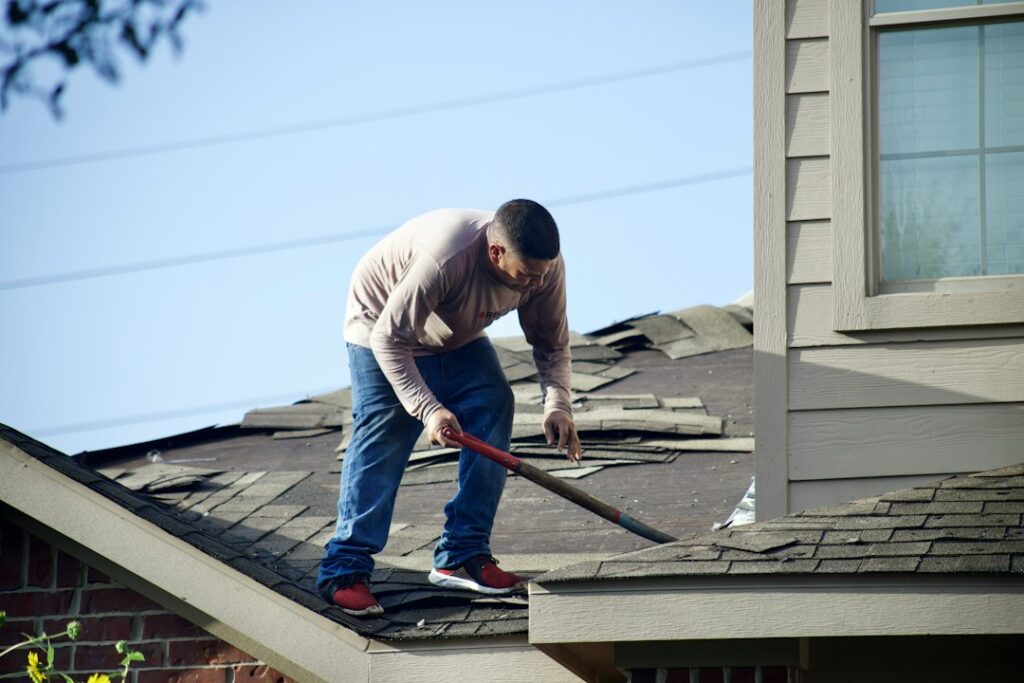
Storms can affect a roof in several ways, from visible shingle loss to hidden moisture beneath roofing materials. In Baton Rouge, LA, frequent thunderstorms, strong wind, heavy rain, hail, and occasional tropical weather can all create different types of roof damage.
A roof does not need to be leaking inside the home to require attention. Some problems begin as small defects and become more serious after repeated rainfall, heat, and humidity.
What types of storm damage are most common?
The most common storm-related roof problems include wind damage, hail impact, fallen branches, clogged drainage systems, and water intrusion around roof openings.
Wind may lift, crease, loosen, or remove shingles and membrane materials. Hail can bruise asphalt shingles, crack tile, dent metal panels, and damage protective coatings. Heavy rain may expose weak areas that were not noticeable during dry weather.
Other storm effects include:
- Broken or displaced ridge caps
- Loose flashing around vents, chimneys, and wall intersections
- Damaged gutters and downspouts
- Punctures from branches or airborne debris
- Standing water on low-slope commercial roofs
- Cracked pipe boots and damaged vent covers
- Torn screens, soffits, fascia, or roof-edge components
A storm can also worsen an existing maintenance issue. For example, a small flashing gap may allow water into the roof system only during wind-driven rain.
How can you check a roof safely from the ground?
A ground-level inspection is often enough to identify warning signs without creating a fall hazard. Walking on a wet, steep, or damaged roof can cause injury and may worsen the damage.
After the storm has passed and conditions are safe, look for:
- Shingles in the yard, driveway, or gutters
- Uneven, lifted, curled, or missing shingles
- Exposed underlayment or roof decking
- Fresh dents in vents, metal edging, or gutters
- Broken branches resting on the roof
- Granules collecting heavily near downspouts
- Sagging areas along the roofline
- Detached gutters or downspouts
- Water stains on exterior walls or ceilings
Binoculars can help with roof slopes that are difficult to view from the ground. It is useful to compare the roof from several angles because wind damage may be visible on one side but not another.
Do not climb onto the roof to inspect it during rain, immediately after lightning, or when surfaces are wet. Avoid walking beneath visibly sagging areas or near damaged electrical equipment.
What should be checked inside the home?
Interior inspection matters because roof leaks may not appear directly below the original entry point. Water can travel along rafters, insulation, wiring, and ceiling materials before becoming visible.
Check attics, ceilings, upper walls, and areas around skylights or vents for:
- Brown, yellow, or gray ceiling stains
- Damp insulation
- Wet or discolored roof decking
- Dripping or recently damp surfaces
- Peeling paint or bubbling drywall
- Musty odors
- Warped trim or flooring near exterior walls
- Daylight visible through the roof deck
A stain that appears several feet away from the roof defect does not necessarily indicate a plumbing problem. Stormwater may enter at a roof penetration and travel before reaching the ceiling.
If water is near light fixtures, outlets, wiring, or electrical panels, avoid touching the affected area. Turn off power only if the electrical panel can be reached safely and without standing in water. Otherwise, leave the area and follow local emergency guidance.
Why do gutters and drainage systems matter after a storm?
Gutters and roof drains carry water away from the roof and building foundation. Storm debris can block that path, causing water to back up under roof edges or overflow against siding and exterior walls.
After severe weather, check whether:
- Gutters are pulling away from the fascia
- Downspouts are disconnected or crushed
- Leaves and branches are blocking outlets
- Roof drains are covered with debris
- Water is collecting on a low-slope roof
- Downspout discharge is pooling near the foundation
In warm, humid conditions, wet organic debris can deteriorate quickly and encourage moss or biological growth. Blocked drainage also adds weight to gutters and may contribute to fascia damage.
Do not clear debris from a roof by climbing onto it. Small amounts of debris may be removed from the ground with appropriate tools, but large branches, unstable gutters, and roof-mounted equipment present additional hazards.
How does storm damage differ on residential and commercial roofs?
Residential roofs often use sloped shingles, metal panels, tile, or other materials that shed water through gravity. Commercial buildings frequently have low-slope systems where drainage, seams, flashing, and rooftop equipment are especially important.
On a commercial roof, inspect from a safe access point for:

- Pooled water that remains after weather clears
- Damaged membrane seams
- Punctures near rooftop units
- Displaced edge metal
- Blocked internal drains or scuppers
- Damaged flashing around vents and equipment
- Loose insulation or exposed substrate
- Water stains on suspended ceiling tiles
Low-slope roofs may retain some water temporarily after heavy rainfall, but persistent ponding can signal a drainage or surface problem. Rooftop access should follow the building’s safety procedures, particularly around electrical equipment, skylights, mechanical units, and unprotected edges.
What damage is easy to miss?
Some of the most overlooked storm problems involve components that are not obvious from the street. Flashing, sealants, roof penetrations, attic ventilation, and roof edges can suffer damage even when the main field of shingles appears intact.
Wind-driven rain can enter around:
- Plumbing vent pipes
- Chimneys and wall intersections
- Skylights
- Dormers
- Valleys
- Roof-to-wall transitions
- Loose flashing
- Damaged pipe boots
Hail damage can also be difficult to identify because it may appear as subtle bruising rather than a large hole. Repeated impacts can weaken the shingle surface and reduce its ability to shed water.
A roof may also remain watertight immediately after a storm but leak during the next heavy rainfall. For that reason, monitoring the attic and upper ceilings for several days can be useful.
Should storm damage be documented?
Yes. Clear documentation can help with maintenance records, safety decisions, and discussions about property damage. Take photographs from the ground and from safe interior locations. Record the date of the storm, the areas affected, and any changes noticed afterward.
Useful documentation includes:
- Wide photos showing the affected roof slope
- Close photos of visible damage
- Images of fallen branches or debris
- Photos of interior stains or wet materials
- Notes about when leaking began
- A list of damaged gutters, vents, screens, or siding
Do not remove damaged roofing materials before documenting them unless they create an immediate safety risk. Temporary protection may be necessary when rain is entering the building, but coverings should be installed only under safe conditions.
When does a roof problem require urgent attention?
Urgent attention is needed when there is active water entry, exposed electrical wiring, a sagging ceiling, a large roof opening, structural movement, or a fallen tree affecting the building. Evacuate areas with unstable ceilings or major structural damage.
For less severe issues, prompt inspection is still sensible when shingles are missing, flashing is loose, gutters are detached, or attic materials are damp. Delaying assessment allows repeated rain, heat, and humidity to increase damage to decking, insulation, framing, and interior finishes.
The safest storm inspection begins at ground level, continues inside the building, and avoids walking on damaged or wet surfaces. A careful check of roof coverings, drainage, flashing, attic spaces, and ceilings can reveal problems before a minor storm defect becomes a larger building issue.