

 See My Latest Article on HelloNation
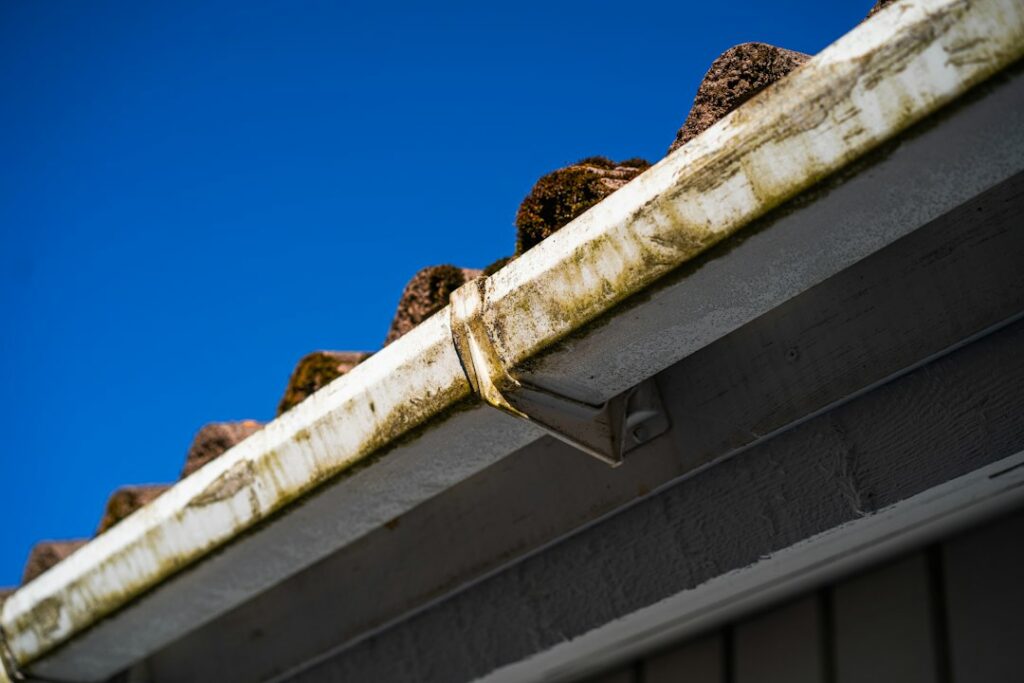
Roof leaks rarely begin as dramatic events. More often, a small opening, loose component, or hidden area of trapped moisture allows water to enter gradually. In Baton Rouge, LA, frequent rain, high humidity, strong thunderstorms, heat, and occasional tropical weather can accelerate roof wear and make minor problems harder to spot.
Understanding where leaks start—and how water travels—helps property owners prevent damage before stains, mold, or structural deterioration appear.
What are the most common causes of roof leaks?
Most roof leaks come from damaged roofing materials, failed seams, blocked drainage, or openings around roof penetrations. The visible drip inside a building may be several feet away from the actual entry point.
Common causes include:
- Cracked, missing, lifted, or deteriorated shingles
- Damaged metal panels or exposed fasteners
- Worn membrane seams on low-slope commercial roofs
- Failed flashing around chimneys, walls, vents, and skylights
- Clogged gutters and downspouts
- Damaged pipe boots and vent seals
- Poorly sealed roof penetrations
- Ponding water on low-slope sections
- Storm debris or fallen branches
- Improper installation or earlier repairs
Roofing materials expand and contract as temperatures change. Over time, those movements can loosen fasteners, separate seams, and weaken sealants. High humidity can also keep roof components damp longer, encouraging deterioration.
How do storms contribute to roof leaks?
Strong storms can create both immediate and delayed leaks. Wind may lift shingles, separate flashing, loosen metal panels, or push rain beneath roofing materials. Hail can bruise shingles and damage protective surfaces even when the damage is difficult to see from the ground.
Heavy rain also tests the entire drainage system. If gutters are blocked or downspouts cannot move water away quickly, runoff may back up beneath roof edges or collect around vulnerable areas.
After a storm, look for:
- Shingles or roofing pieces in the yard
- New ceiling or wall stains
- Water around attic insulation
- Bent flashing or exposed fasteners
- Sagging gutters
- Tree limbs resting on the roof
- Granules collecting near downspouts
- Damp odors in upper rooms
A roof does not have to be visibly torn open to leak. Small punctures, lifted edges, and separated seams can admit water during wind-driven rain.
Why do flashing and roof penetrations leak?
Flashing directs water around areas where the roof meets another surface. It is commonly installed around walls, chimneys, skylights, dormers, vents, and roof edges. If flashing bends, corrodes, separates, or was installed incorrectly, water can enter behind it.
Roof penetrations create additional risk because pipes, vents, exhaust outlets, and equipment require openings through the roofing system. The surrounding seals may crack from age, heat, movement, or exposure to weather.
A common misconception is that replacing the visible caulk will permanently solve the problem. Caulk may temporarily close a small gap, but it cannot correct damaged flashing, loose fasteners, deteriorated roofing material, or poor drainage. Repeated caulking over failed components can conceal the source while moisture continues entering the structure.
Can clogged gutters cause a roof leak?
Yes. Clogged gutters can contribute to roof leaks by preventing rainwater from leaving the roof efficiently. Water may back up under the roof edge, saturate fascia boards, or overflow against exterior walls.
Gutters also become heavier when filled with wet leaves, sediment, and debris. That added weight can pull them away from the building and alter the slope needed for proper drainage.
In the local climate, leaves, pine needles, windblown debris, and intense rainfall can combine to overwhelm neglected drainage systems. Gutters and downspouts should be checked more often during periods of frequent storms and after nearby trees shed heavily.
Downspouts should discharge water far enough away from the foundation to prevent repeated saturation. Extensions, splash blocks, or properly designed drainage paths may be needed where runoff collects near walls or crawl spaces.
Why is ponding water a concern on commercial roofs?
Ponding water is water that remains on a roof after normal drainage should have occurred. It is especially common on low-slope commercial roofs, but it can also appear on porches, additions, garages, and other shallow-pitched sections.
Standing water adds weight and may weaken roof membranes, seams, insulation, and decking. It can also expose small defects to moisture for long periods. Over time, the roof may develop depressions that hold even more water, creating a cycle of increasing damage.
Ponding can result from:
- Blocked drains or scuppers
- Poor roof slope
- Settled insulation or decking
- Inadequate drainage design
- Damaged gutters
- Structural movement

Water should not be swept toward an edge or drained by cutting an improvised opening in the roof. Those actions can create additional damage. The underlying drainage problem needs to be identified and corrected using a method appropriate for the roof system.
How can homeowners prevent roof leaks?
Prevention depends on routine observation and keeping water moving away from the building. A practical maintenance routine includes:
- Inspecting visible roofing areas at least twice a year
- Checking the roof after major storms
- Clearing gutters and inspecting downspouts
- Removing branches and accumulated debris
- Trimming vegetation that rubs against roof surfaces
- Looking for cracked or missing shingles
- Examining flashing and visible seals
- Checking attic spaces for damp insulation, stains, or daylight
- Keeping roof-mounted equipment and penetrations properly maintained
- Recording the dates and locations of repairs
Avoid walking on roofing materials unless the surface is designed for foot traffic and conditions are safe. Wet roofs, steep slopes, damaged areas, and elevated commercial roofs create fall hazards. Some problems are best evaluated from the ground, attic, or a safely accessible maintenance area.
What should be done when a leak is discovered?
The first step is to limit interior damage without creating a safety hazard. Place containers beneath active drips, move furniture and electronics away from the area, and document stains or visible damage. If water is near electrical fixtures, switches, or wiring, avoid contact with the affected area and turn off power only if it can be done safely.
Do not assume the location of an interior stain identifies the roof entry point. Water can travel along rafters, decking, insulation, pipes, and ceiling materials before appearing indoors.
Temporary measures such as a properly secured tarp may help reduce additional water entry during severe weather, but roof access can be dangerous. Structural damage, active electrical hazards, extensive interior saturation, or large sections of missing roofing require prompt attention because delaying action can increase repair complexity.
Which roof problems require immediate attention?
Some conditions should not wait for a routine inspection:
- A ceiling is sagging or holding pooled water
- Water is entering near electrical equipment
- Large areas of roofing are missing or displaced
- A tree or heavy branch has struck the structure
- A commercial roof has widespread ponding
- The roof deck appears soft, collapsed, or exposed
- Mold-like odors or extensive wet insulation are present
- Wind damage has opened a large seam or edge
Small leaks can often be contained more easily than long-term moisture damage. Regular inspections, clear drainage paths, and prompt attention after storms are the most reliable ways to reduce the likelihood of roof leaks and protect the structure beneath the roof.