

 See My Latest Article on HelloNation
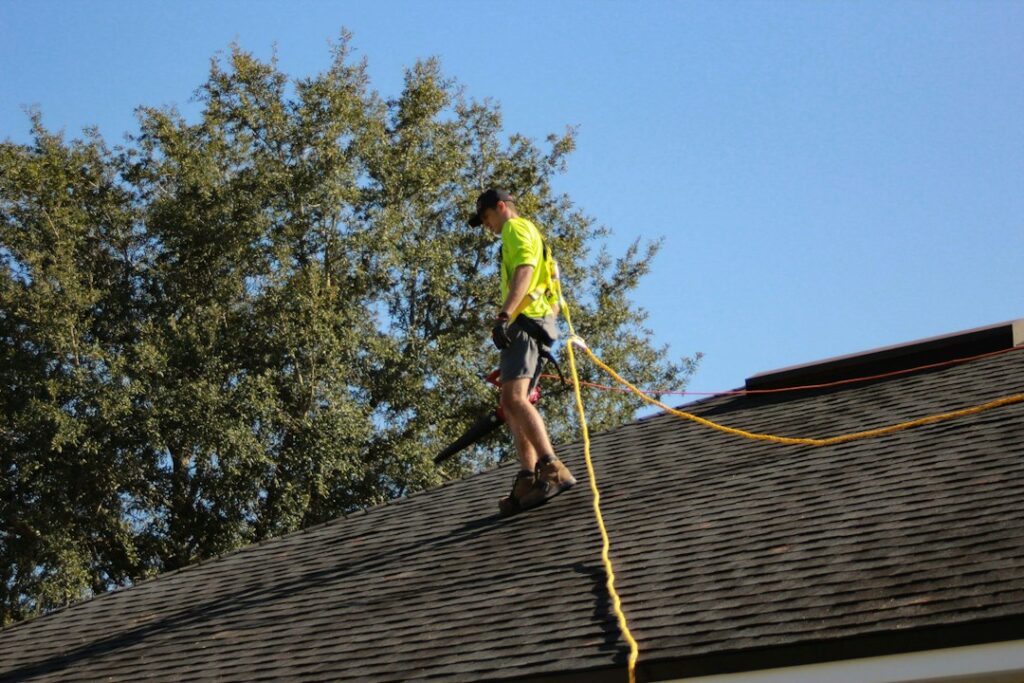
A roof inspection is a systematic review of the roof’s condition, drainage, flashing, ventilation, and related building components. The inspection may be prompted by age, visible damage, a recent storm, water stains, a real estate transaction, or uncertainty about whether repairs are needed.
For homeowners and property managers in Baton Rouge, a thorough inspection is especially useful because heat, humidity, heavy rainfall, wind, and occasional tropical weather can affect roofing materials in different ways.
What happens before the inspection?
Before examining the roof, the inspector usually asks about the building’s history and any concerns noticed by occupants. Useful details include the approximate roof age, previous repairs, recent leaks, unusual odors, ceiling stains, and whether the property experienced strong wind or falling branches.
The inspector may also review available maintenance records, past repair invoices, warranty documents, or insurance-related information. These records can help distinguish an old, recurring problem from damage that appeared recently.
A roof inspection does not always begin on the roof itself. The surrounding property may provide clues about drainage and water movement, including:
- Gutters and downspouts
- Roof-to-wall intersections
- Attic vents and plumbing penetrations
- Tree limbs near the roof
- Areas where soil, mulch, or paving may direct water toward the building
- Exterior walls, soffits, fascia, and chimney or equipment penetrations
Is every inspection performed from the roof surface?
No. Some inspections include a physical walkover, while others rely partly or entirely on ground-level observation, attic access, ladders, or imaging equipment.
A roof may not be safe to walk on if it is steep, wet, fragile, heavily damaged, covered with debris, or made from materials that can be easily disturbed. Metal roofing, brittle aged shingles, and certain low-slope systems may require careful evaluation rather than routine foot traffic.
A responsible inspection should explain which areas were accessible and which were not. An inspection limited by unsafe conditions may still identify obvious problems, but it may not provide the same level of detail as a complete roof-surface review.
What does the inspector look for outside?
The exterior portion focuses on visible conditions that could reduce the roof’s ability to shed water or withstand weather. Common items include:
- Missing, cracked, curled, blistered, or loose shingles
- Damaged or displaced ridge caps
- Exposed fasteners or deteriorated sealant
- Loose or open flashing around walls, vents, skylights, and other penetrations
- Sagging roof sections
- Ponding water on low-slope roofs
- Torn, lifted, or separated membrane seams
- Rust, corrosion, or open joints on metal roofing
- Granule accumulation in gutters or at downspout outlets
- Damaged soffits, fascia, drip edges, and roof edges
- Moss, algae, or organic growth that may conceal deterioration
- Evidence of wind damage, hail impact, fallen limbs, or debris strikes
The inspector also considers whether the roof drains properly. A roof can appear intact while still developing problems because gutters are blocked, downspouts discharge too close to the foundation, or low areas hold water after rain.
Why are flashing and penetrations inspected closely?
Flashing is installed where roofing materials meet walls, valleys, edges, vents, chimneys, skylights, or mechanical equipment. These transition points are among the most common locations for leaks because they involve changes in direction, material, and movement.
Inspectors look for gaps, lifted edges, failed sealant, corrosion, exposed fasteners, and flashing that was installed incorrectly or covered by later repairs. They also examine pipe boots and other penetrations for cracking or separation.
A leak does not always appear directly beneath its source. Water can travel along roof decking, rafters, insulation, or wall cavities before becoming visible indoors. That is why a ceiling stain alone may not identify the exact repair location.
What happens inside the attic or building?
If safe access is available, the attic provides valuable information about moisture, ventilation, and the underside of the roof deck. An inspector may look for:
- Damp or discolored wood
- Water staining around penetrations
- Mold-like growth or musty odors
- Wet, compressed, or displaced insulation
- Daylight visible through the roof deck
- Rusted nails or fasteners
- Sagging decking
- Inadequate or blocked ventilation
- Signs of animals or insects entering through roof openings

In commercial buildings, the inspection may also include ceiling systems, rooftop equipment supports, drains, parapets, expansion joints, and areas where building services pass through the roof assembly. The inspection process depends on the roof type, building use, and accessibility.
Attic ventilation deserves careful interpretation. More vents do not automatically solve moisture problems. Airflow must be balanced, and indoor moisture can also come from bathrooms, kitchens, clothes dryers, plumbing leaks, or unsealed openings.
Does a roof inspection identify the roof’s remaining life?
It can provide an informed condition assessment, but it cannot predict an exact replacement date. A roof’s remaining service life depends on its material, installation quality, ventilation, exposure, maintenance, drainage, weather history, and previous repairs.
Two roofs of the same age may be in very different condition. A well-maintained roof with good drainage may perform longer than a newer roof with repeated leaks or poor installation.
A useful inspection report should separate:
- Conditions requiring prompt attention
- Defects that should be monitored
- Routine maintenance items
- Areas that could not be inspected
- Evidence of active or previous moisture intrusion
- Whether repair, further testing, or replacement evaluation may be appropriate
An inspection is not the same as a guarantee that the roof will remain leak-free. It is a snapshot of observable conditions on a particular date.
What should property owners ask about storm damage?
After severe weather, look for more than obvious missing shingles. Wind can loosen edges, lift flashing, damage ridge caps, and create openings that are not visible from the ground. Hail may leave dents or fractures in roofing components, vents, metal surfaces, and other exterior materials.
Fallen branches can damage roof decking even when the shingles look relatively normal. Heavy rainfall may also expose drainage defects that were not apparent during dry conditions.
Temporary coverings or emergency repairs can affect what the inspector sees. Keep records and photographs of visible conditions when possible, but avoid climbing onto the roof or disturbing damaged areas.
How should the inspection report be used?
The report should help organize decisions, not create unnecessary alarm. Minor maintenance, localized repairs, and major roof replacement are different situations and should not be treated as interchangeable.
Read the report for specific observations rather than broad labels such as “good” or “bad.” Useful details include the exact roof area, the type of defect, the apparent severity, photographs, limitations, and whether interior moisture evidence was found.
For safety and building-protection reasons, hazardous conditions such as unstable roof surfaces, exposed electrical components, severe structural sagging, or active interior water entry require prompt attention from appropriately qualified help. Until the condition is evaluated, occupants should avoid walking on damaged areas and should protect interior belongings from water when it can be done safely.
A careful inspection gives residents and property managers a clearer understanding of what the roof is doing now, which problems may worsen, and which observations deserve follow-up.