

 See My Latest Article on HelloNation
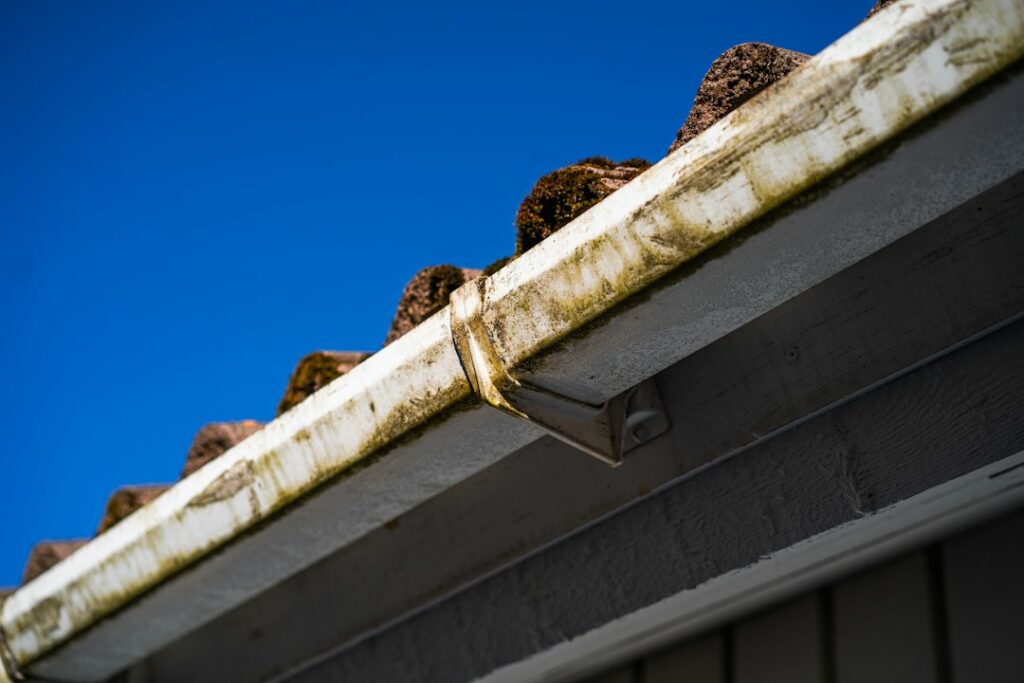
Why do gutters need regular maintenance?
Regular gutter maintenance helps direct rainwater away from a building’s roof, walls, foundation, windows, and surrounding soil. In Baton Rouge, LA, frequent rainfall, heavy downpours, falling leaves, pine needles, and airborne debris can cause gutters and downspouts to clog faster than many property owners expect.
A gutter system may look simple, but each part has a specific job. Gutters collect runoff from sloped roof surfaces, while downspouts carry that water toward a safe discharge area. When debris blocks the flow, water may spill over the edges, collect near the foundation, or soak into roofing and wall components.
Maintenance is not only about keeping gutters visually clean. It is about preserving the drainage path that protects the entire building.
What problems can clogged gutters cause?
Clogged gutters can contribute to several types of property damage. The most visible problem is often overflowing water during a storm, but the effects may continue long after the rain stops.
Common issues include:
- Water pooling near the foundation
- Soil erosion around the building
- Stained or damaged siding, brick, or exterior walls
- Rot around roof edges, fascia boards, and soffits
- Moisture intrusion near windows and doors
- Sagging or separating gutter sections
- Water collecting on walkways and entry areas
- Increased mosquito activity in standing water
In areas with heavy rain, a partially blocked gutter can become overloaded quickly. Even when water eventually drains, repeated overflow can saturate soil and expose building materials to moisture again and again.
How does gutter maintenance protect the roof?
Gutters are part of the roof drainage system, so their condition can affect roof performance. If water backs up beneath the edge of the roofing, it may wet the roof deck, fascia, or underlayment. Over time, this can contribute to deterioration that is difficult to see from the ground.
Water can also remain against exposed wood components at the roof perimeter. Persistent moisture may lead to staining, decay, or insect activity. On commercial buildings, clogged drainage can allow water to collect around roof drains, scuppers, or low-slope roof edges, increasing the risk of leaks and surface damage.
Clean gutters do not replace proper roof inspections or repairs, but they reduce one common source of avoidable water exposure.
How often should gutters be cleaned in Baton Rouge?
Most homes benefit from gutter cleaning at least twice a year, commonly during spring and fall. However, the right schedule depends on the property.
More frequent attention may be needed when a building has:
- Large trees near the roof
- Pine trees that shed needles throughout the year
- Heavy leaf fall
- A low-slope roof or complex roof design
- Multiple roof levels that discharge into lower gutters
- A history of overflowing or sagging gutters
- Nearby construction or other sources of airborne debris
After a severe storm, a quick visual check can identify displaced sections, accumulated branches, or blocked downspouts. In Baton Rouge, intense rainfall can expose drainage problems that may not be obvious during dry weather.
What should a gutter inspection include?
A useful inspection looks at more than the visible amount of debris. The entire drainage path should be checked from the roof edge to the point where water leaves the property.
Important items include:
Gutter channels
Look for leaves, mud, shingle granules, nests, and compacted debris. Sediment can form a dense layer that prevents water from reaching the outlet, even when the gutter does not appear completely full.
Gutters and seams
Check for sagging, loose fasteners, separated joints, rust, cracks, and holes. Gutter sections should maintain a consistent slope toward the downspouts. A section that holds standing water may have shifted or lost its support.
Downspouts
Downspouts should be open and securely attached. Water should exit without backing up or spilling from the connection points. Extensions or splash blocks should direct discharge far enough away to limit erosion and foundation moisture.
Roof edges and fascia
Dark staining, soft wood, peeling paint, or visible decay near the gutter line may indicate prolonged moisture exposure. These signs deserve attention even if the gutters have recently been cleaned.
Ground conditions
Look for washouts, mud, puddles, displaced mulch, or damp areas near the foundation. Ground conditions can reveal drainage problems that are not visible from the roofline.
Can gutter guards eliminate maintenance?

No. Gutter guards may reduce the amount of debris entering a gutter, but they do not make the system maintenance-free. Leaves can collect on top of the guards, fine particles can pass through, and some designs can become difficult to inspect.
A guarded system still needs periodic review. The gutters, guards, fasteners, seams, and downspouts should all be checked for blockage or damage. In some cases, debris that slips through the guard collects at the outlet or inside the downspout, where it can create a less obvious obstruction.
The effectiveness of any guard also depends on the roof design, nearby vegetation, rainfall intensity, and the type of debris present.
What is different about commercial gutter maintenance?
Commercial properties often have larger roof areas and more complicated drainage systems than homes. A blockage on a commercial building can affect a substantial amount of roof surface during one storm.
Maintenance may involve:
- Interior or exterior downspouts
- Roof drains and strainers
- Scuppers and collection boxes
- Parapet walls
- Long gutter runs
- Multiple discharge points
- Areas that are difficult to reach safely
For commercial buildings, inspection records can help identify recurring blockages, drainage patterns, and areas where water repeatedly accumulates. Maintenance should also account for safe roof access and any applicable building or workplace safety requirements.
Is it safe to clean gutters from a ladder?
Gutter cleaning can involve significant fall risk, especially on tall homes, steep roofs, uneven ground, wet surfaces, or commercial buildings. A ladder may shift if it rests against unstable gutter material, and reaching sideways can cause a loss of balance.
Avoid working during rain, strong wind, or when surfaces are wet. Electrical lines, fragile roofing, hidden insect nests, and unstable gutter sections create additional hazards. If the work requires climbing onto a roof, using specialized equipment, or reaching a height that cannot be safely managed from the ground, the task may require trained assistance.
Safety should take priority over completing routine maintenance on a particular day.
What simple habits help prevent gutter problems?
A few practical habits can reduce the chance of major drainage issues:
- Observe gutter flow during a moderate rainstorm when it is safe to do so.
- Check downspout outlets after storms and periods of heavy leaf fall.
- Trim branches that repeatedly deposit debris onto the roof, where permitted.
- Keep soil, mulch, and landscaping from blocking water discharge areas.
- Look for new staining or overflow after roof work.
- Inspect lower roof sections that receive runoff from upper roofs.
- Treat recurring clogs as a drainage-design issue, not just a cleaning issue.
Regular maintenance cannot prevent every roof or foundation problem, but it can reveal small drainage failures before they become larger and more expensive to address.