

 See My Latest Article on HelloNation
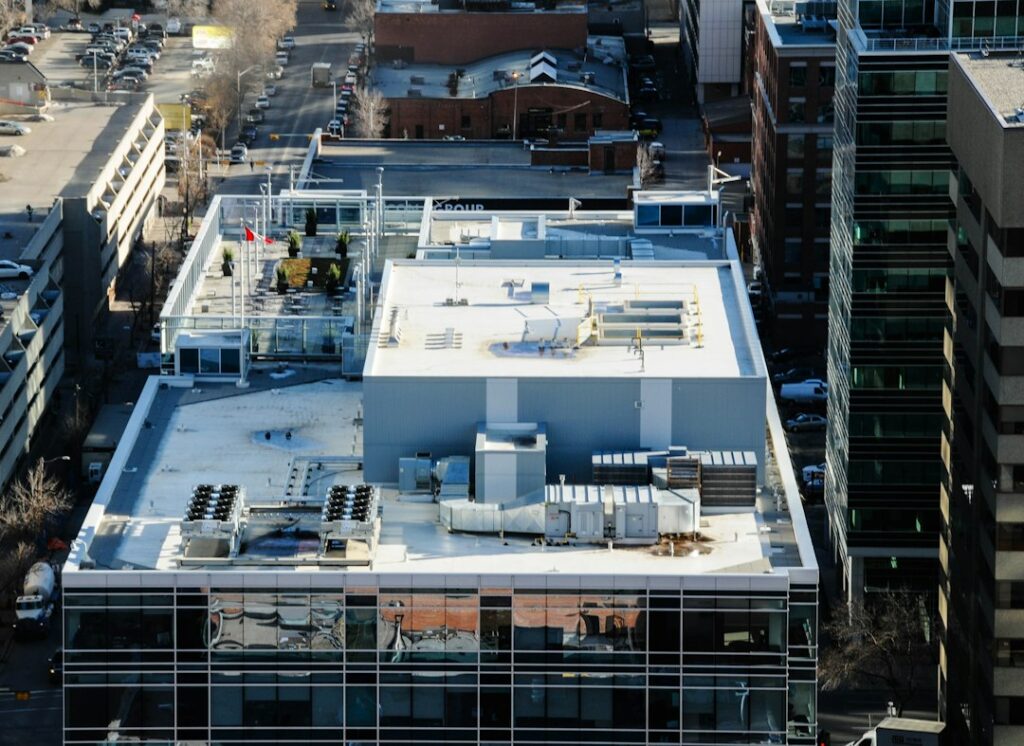
Flat roofs are common on commercial buildings, additions, garages, porches, and some modern homes. Although they appear level, a properly built flat roof has a slight slope that directs water toward drains, scuppers, or roof edges.
For building owners in Baton Rouge, flat-roof performance depends on more than the roofing membrane. Drainage, flashing, insulation, ventilation, storm exposure, maintenance habits, and the condition of the underlying structure all affect service life.
What is a flat roof?
A flat roof is a low-slope roofing system designed to shed water gradually rather than send it down a steep slope. Most flat roofs use a waterproof membrane installed over a structural deck and insulation.
Common system types include:
- Modified bitumen, a layered asphalt-based membrane
- Built-up roofing, which uses multiple reinforcing plies and asphalt
- Single-ply membranes, including thermoplastic and synthetic rubber materials
- Coated roof systems, which add a protective waterproof layer over an existing surface
- Metal low-slope systems, often used on commercial or industrial buildings
The term “flat” can be misleading. A roof with no effective slope may hold water after rain, increasing the risk of leaks, membrane deterioration, algae growth, and structural stress.
Why does drainage matter so much?
Drainage is one of the most important design features of a flat roof. Water should move toward a drain, scupper, gutter, or approved roof edge without forming persistent puddles.
Standing water that remains for more than a short period after rainfall may indicate:
- Blocked drains or strainers
- Damaged or compressed insulation
- Inadequate roof slope
- A sagging structural deck
- Membrane repairs that created uneven surfaces
- Debris buildup around drainage points
Heavy rain and humid conditions in Baton Rouge can expose drainage problems quickly. Leaves, pine needles, branches, and windblown debris can obstruct drains, especially near mature trees. Roof drains should remain visible and accessible rather than being covered by loose materials or stored equipment.
What causes flat-roof leaks?
A leak inside the building does not always appear directly below the roof defect. Water can travel along insulation, framing, pipes, or electrical pathways before becoming visible on a ceiling.
Frequent leak sources include:
- Open seams or separated membrane layers
- Cracks in flashing
- Damaged pipe boots and equipment curbs
- Loose edge metal
- Deteriorated sealants
- Punctures caused by tools, fasteners, or foot traffic
- Blocked drains and overflowing scuppers
- Movement around roof penetrations
- Damaged parapet walls
A ceiling stain may become noticeable long after the original water entry occurred. Painting over the stain can hide the symptom without correcting the roof problem.
How should a flat roof be inspected?
A useful inspection looks at both the roof surface and the building interior. Exterior observations should include membrane condition, seams, flashing, drainage, edge details, penetrations, and areas around rooftop equipment.
Inside the building, look for:
- Water stains or bubbling paint
- Damp insulation or musty odors
- Mold-like growth
- Sagging ceiling materials
- Rusted fasteners or metal components
- Unexplained increases in indoor humidity
- Damage near walls, skylights, vents, or mechanical equipment
Roof inspections should be performed cautiously. Wet membranes are slippery, and some roof surfaces may be weakened even when damage is not obvious. Skylights, translucent panels, and aged roof sections can be especially hazardous because they may not support a person’s weight.
How often should a flat roof be checked?
A flat roof should receive routine visual checks at least twice a year and after severe weather. Additional checks may be appropriate after major construction, equipment installation, or any event involving unusual foot traffic.
A basic maintenance review should confirm that:
- Drains, scuppers, and gutters are clear
- Rooftop equipment has not damaged the membrane
- Flashing remains attached and sealed
- No new blisters, cracks, open seams, or punctures are visible
- Loose materials are removed
- Interior signs of moisture are documented
- Repairs are recorded with dates and locations

Keeping inspection photographs and repair records helps identify recurring trouble spots. It also makes it easier to distinguish a new leak from an older, unresolved condition.
Can building owners walk on a flat roof?
Occasional access may be necessary, but unnecessary foot traffic increases the chance of punctures and surface wear. Walking paths should be planned around maintenance needs rather than used as general storage or recreation areas.
Avoid placing the following directly on the membrane unless the roof system was specifically designed for them:
- Ladders
- Scrap materials
- Sharp tools
- Heavy equipment
- Furniture
- Loose pavers
- Chemical containers
- Unsecured construction debris
Protective walk pads may be required around frequently accessed equipment. Any support system must distribute weight properly and avoid trapping water against the membrane.
How do storms affect flat roofs?
Severe thunderstorms, strong wind, hail, and flying debris can damage a flat roof even when no immediate leak appears. Wind may lift edge materials or loosen flashing, while hail can create small fractures or bruises in the membrane.
After a major storm, building owners should look for:
- Missing or displaced edge components
- Torn membrane sections
- New punctures or dents
- Damaged rooftop vents
- Blocked drains
- Wet insulation
- Interior leaks that appear hours or days later
Temporary protection may be needed when water is entering the building, but interior containers or tarps do not replace a permanent roof repair. Electrical hazards may exist around wet ceilings, light fixtures, and mechanical equipment.
Should a flat roof be repaired, coated, or replaced?
The right approach depends on the extent of damage, the age of the system, the condition of the roof deck, moisture within the insulation, and the quality of previous repairs.
Repair may be reasonable when damage is isolated and the surrounding membrane remains sound. A coating may extend serviceability when the existing roof is structurally stable, relatively dry, and properly prepared. Replacement becomes more likely when moisture is widespread, the membrane is brittle or deteriorated, drainage is inadequate, or repeated repairs have become difficult to track.
A new surface does not correct a failing roof deck or a persistent drainage problem. Any long-term decision should account for what is beneath the visible membrane.
What should building owners know about code and safety?
Roof work can involve fall hazards, electrical equipment, fire risks, structural limitations, and local permitting requirements. Alterations involving drains, structural framing, insulation, rooftop equipment, or major membrane replacement may require code review.
The roof should also be treated as part of the building envelope. Poorly sealed penetrations can allow moisture into insulation and wall assemblies, where damage may remain hidden. Commercial buildings with tenants may need access controls, written safety procedures, and documentation of repairs.
For residential properties, occupants should not assume that a roof is safe to access simply because it is low-slope. Children, pets, and untrained visitors should be kept away from roof areas.
What is the most overlooked flat-roof problem?
The most overlooked issue is often not the membrane itself but the interaction between water, edges, penetrations, and maintenance. A roof can appear intact while blocked drainage, wet insulation, or failed flashing gradually causes damage.
Regular observation, prompt documentation of leaks, careful control of roof access, and attention to drainage can prevent minor defects from becoming structural or interior problems.